Peru, up close

The Peru she is still discovering

A journey made of music, affection, questions and encounters.

Carolina was born in Lima — but knowing the place you were born is not the same as knowing a country. Her bond with Peru keeps growing through travel, through music and, above all, through the people she has met along the way.

Each return opens new questions. Her Peru is made of affection, friendship, landscape and lessons that are still changing the way she creates and listens.

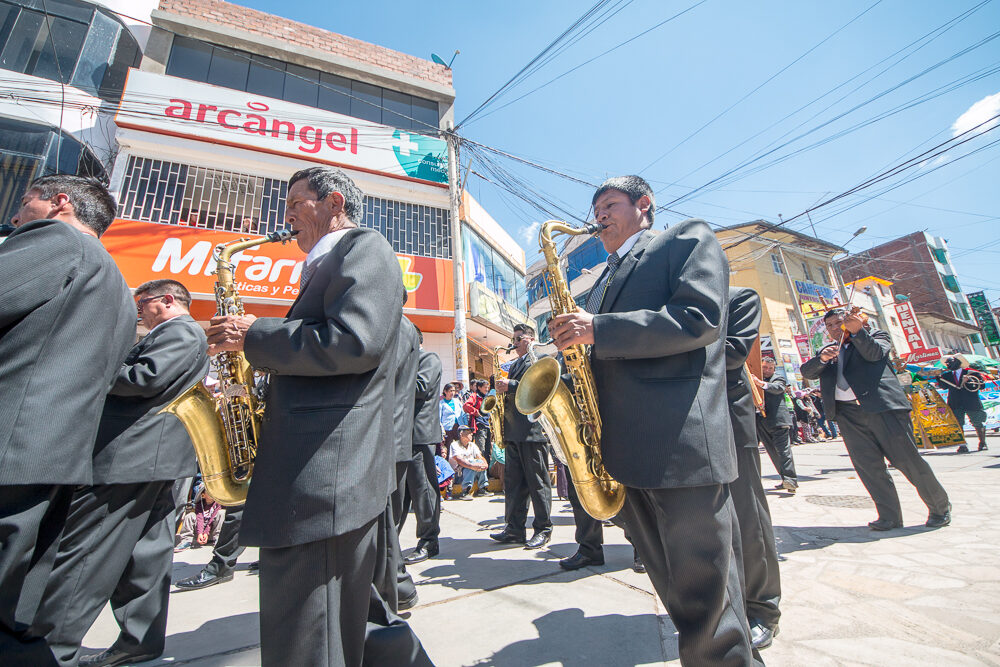
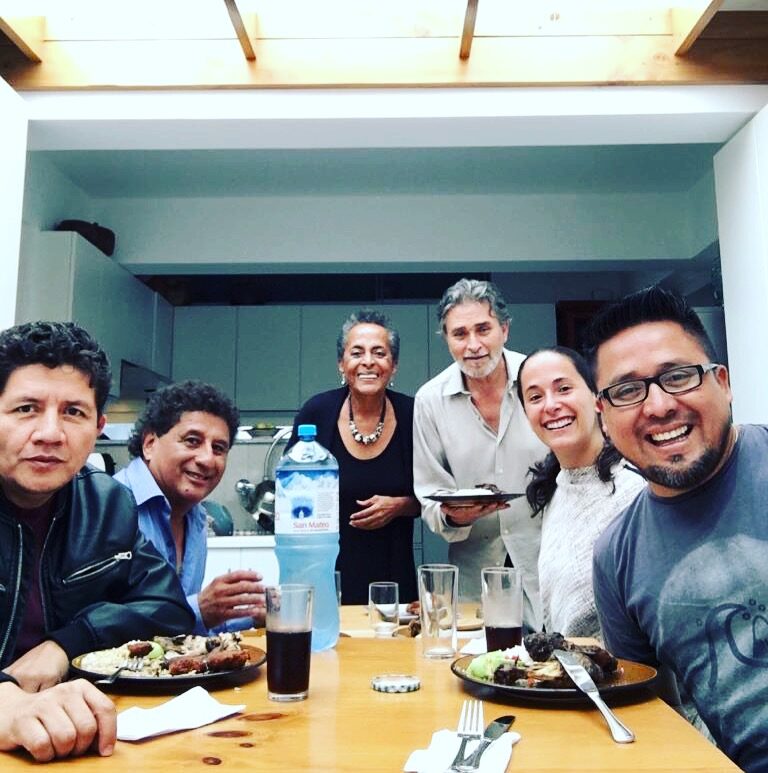
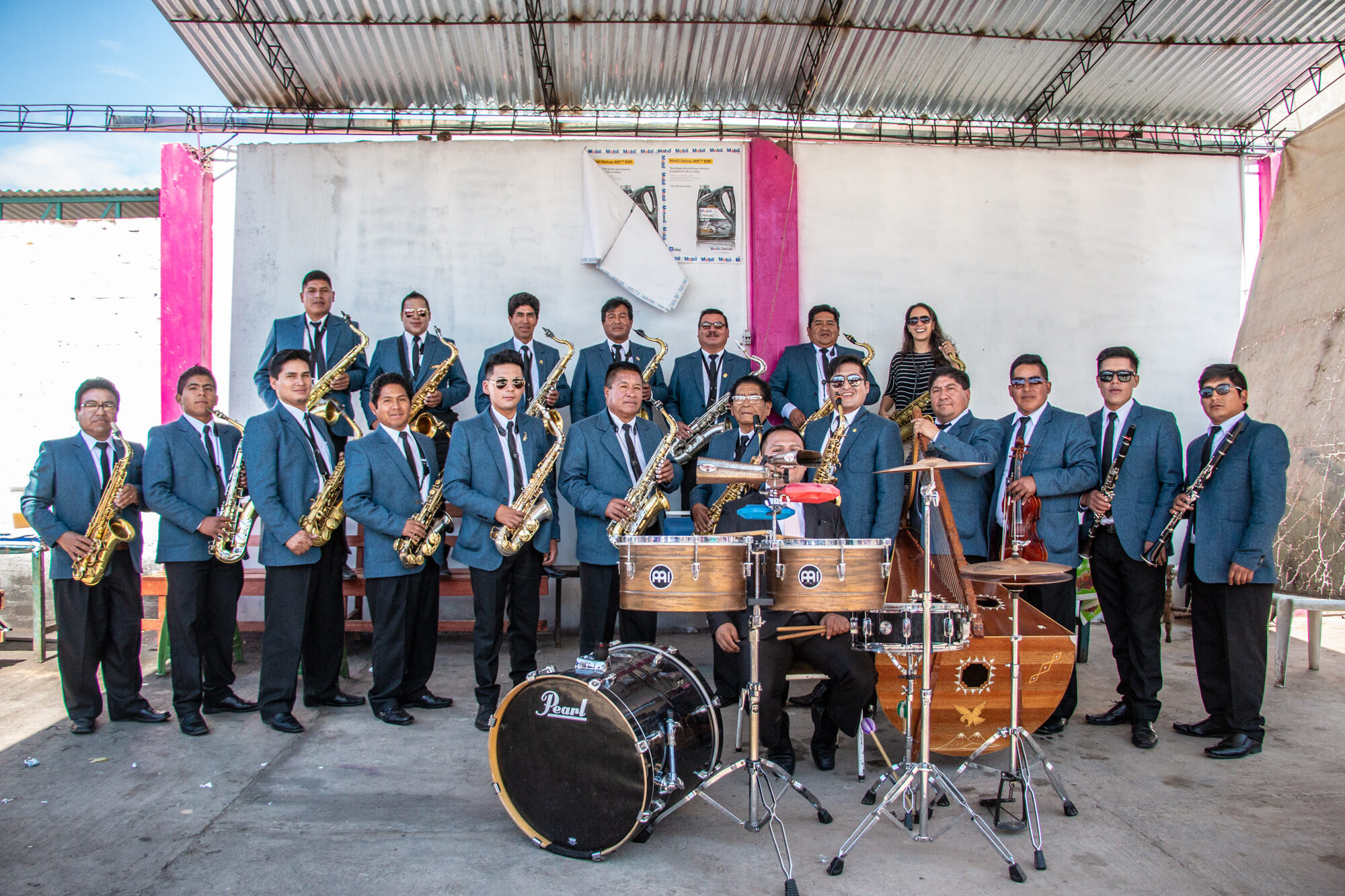
Carolina Araoz within the Orquesta Mucha Hermanos
Carolina within the Orquesta Mucha Hermanos, Mantaro Valley.
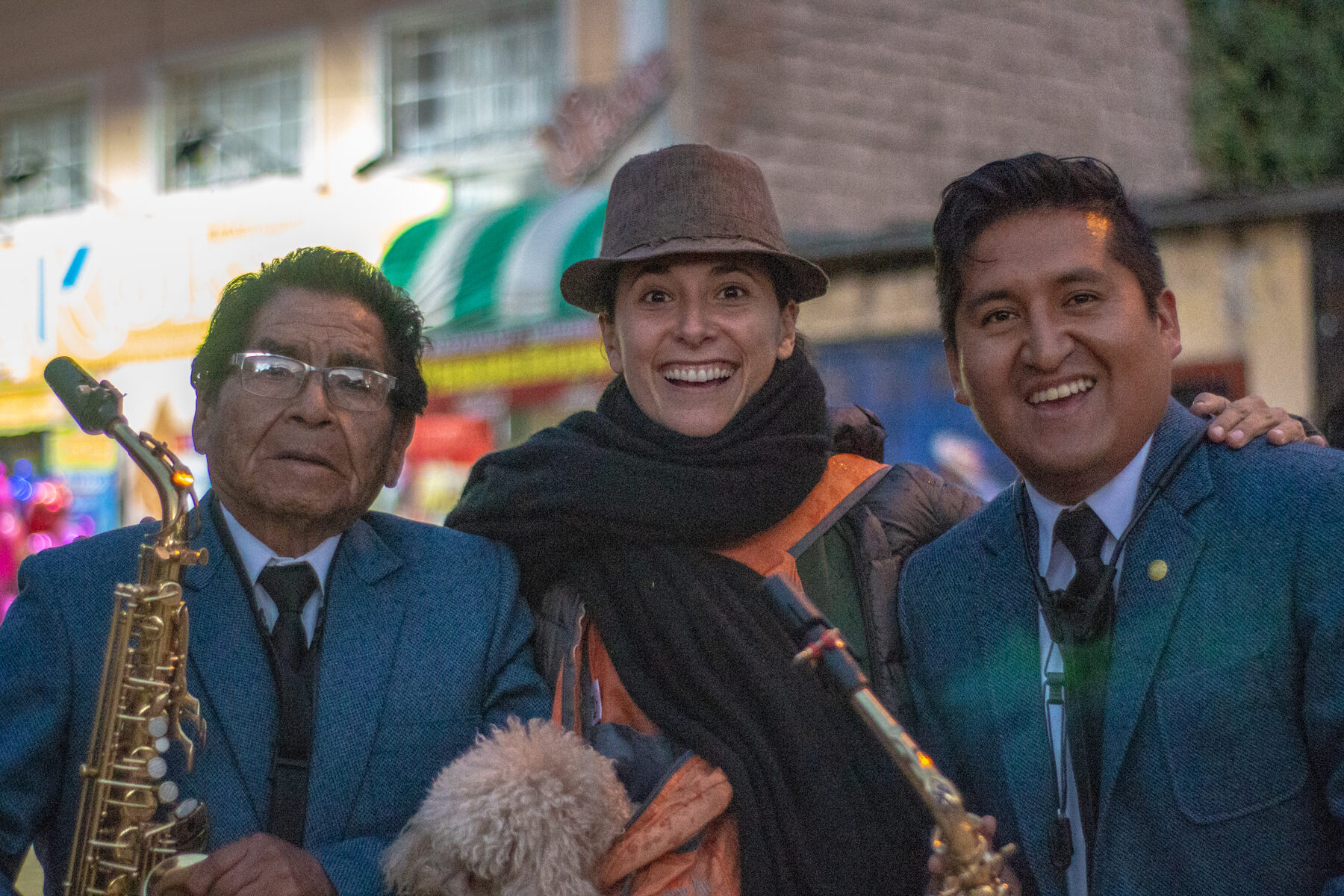
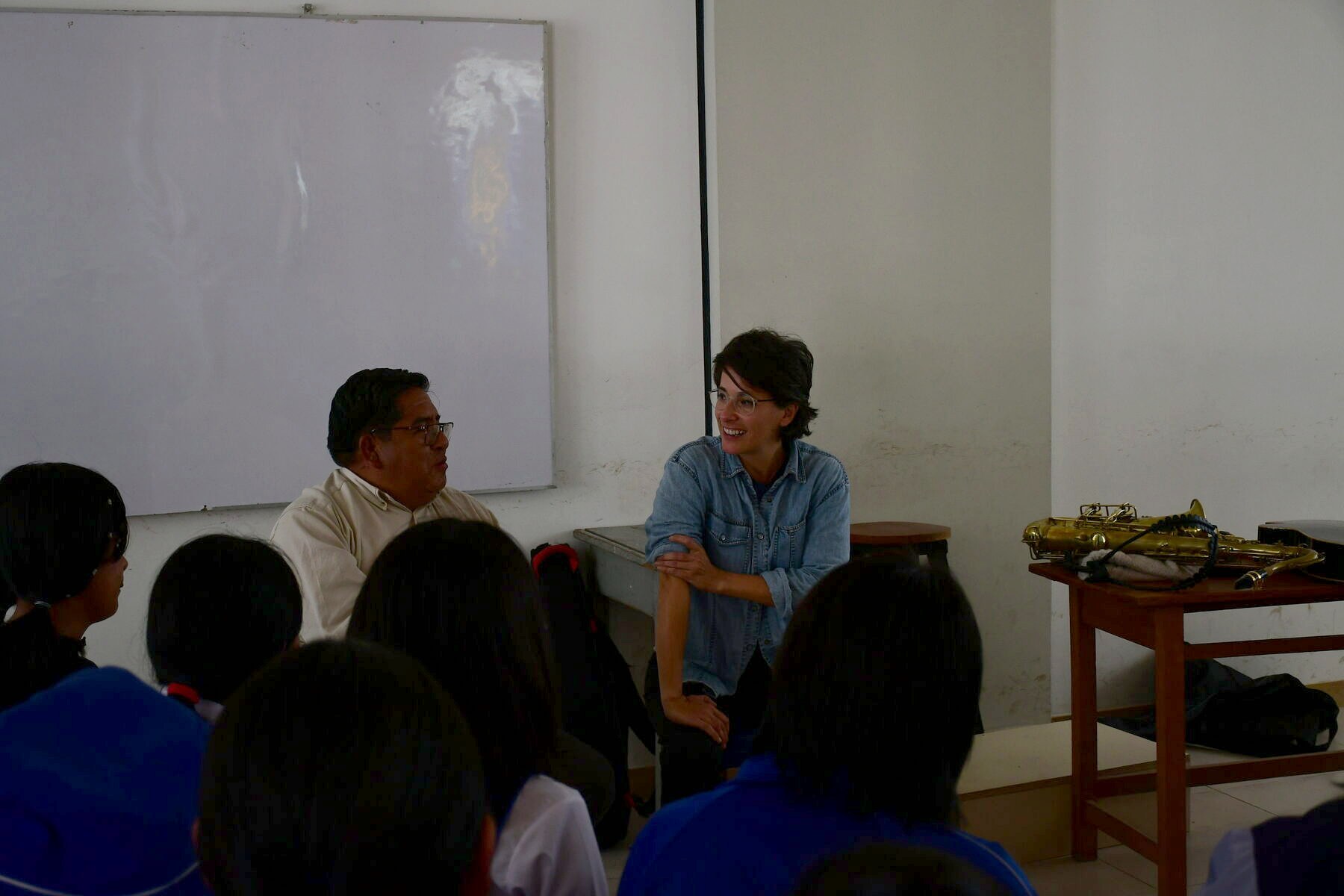
Carolina Araoz and Abiud Mucha teaching in Huancayo
With Abiud Mucha, sharing the saxophone in Huancayo.

Listening first

The question that set her on her way.

What did the saxophone sound like in her own land?

Jazz was one of the great languages of her training. For years, Carolina explored the saxophone through improvisation, composition and the music she had studied far from home.

It was Susana Baca, her mentor since 2008, who first planted the question. The question led her to the Mantaro Valley, where she found orchestras, families and festivities in which the saxophone lives at the heart of a shared tradition. She arrived with experience and knowledge, ready to teach. She soon realised how much she still had to hear, and to learn.

Since then, journeys, friendships and time spent with the musicians of the region have deepened her bond with the instrument and with her country. Out of that path came new compositions, collaborations, the album Tribus and a documentary still in the making.
Carolina makes no claim to explain the richness of Peru, nor to speak for those who keep its traditions alive. What she shares is a personal journey, built slowly with affection, curiosity and respect — and with a keen sense of how much is still to discover.

EP · A tribute to Cotabambas

Místico

A shared creation, where memory, land and the present meet.

Místico is a six-track EP created by Carolina Araoz and Fred Arredondo, charango player and composer from Apurímac, with composer and producer Javier Lazo.

It began as a commemorative commission for Cotabambas and grew through research, long conversations and shared work. Its world is fed by the qhaswas and the T’ikapallana carnival, by the voices of the community, and by a memory that lives on in its music.

Sung in Quechua and Spanish, Místico lets traditional instruments, songs and forms speak with contemporary arrangements and textures. It is not simply the story of Carolina meeting a place: it is a work made hand in hand with artists whose roots run deep in that music and that history.

Six tracks

  1. Surphuy
  2. Silkiwita
  3. Surimana
  4. Amancaes para Michi
  5. Carnaval de Tambobamba
  6. Místico

The origin

The project's introductory video: where Místico comes from and why Cotabambas.

Watch the introductory video →

The EP

All six tracks, to listen to from beginning to end.

Listen on Spotify →

Images from the journey

People, places and encounters.

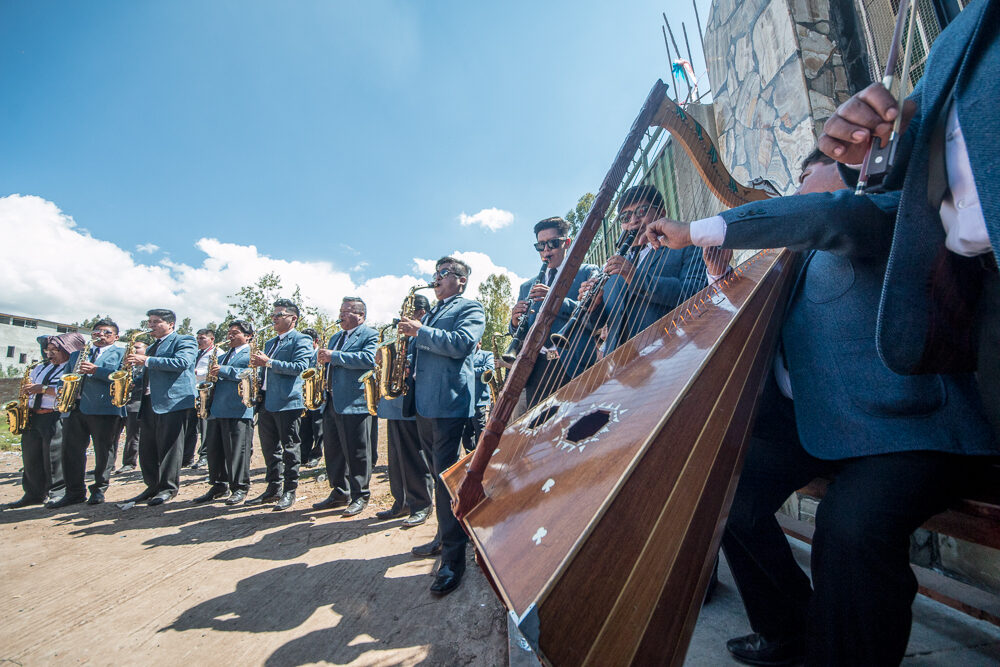
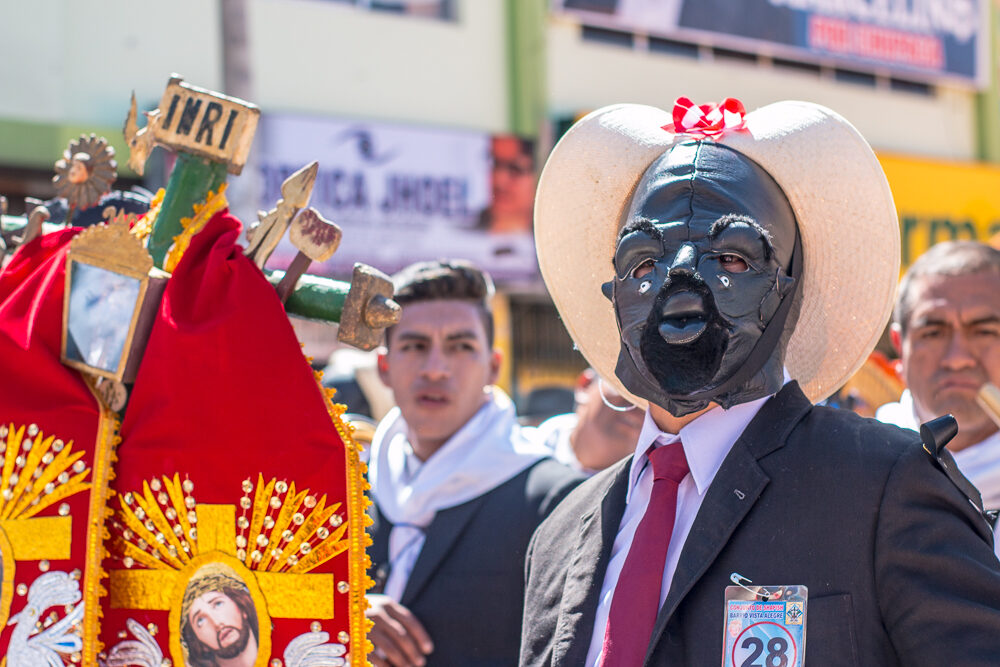
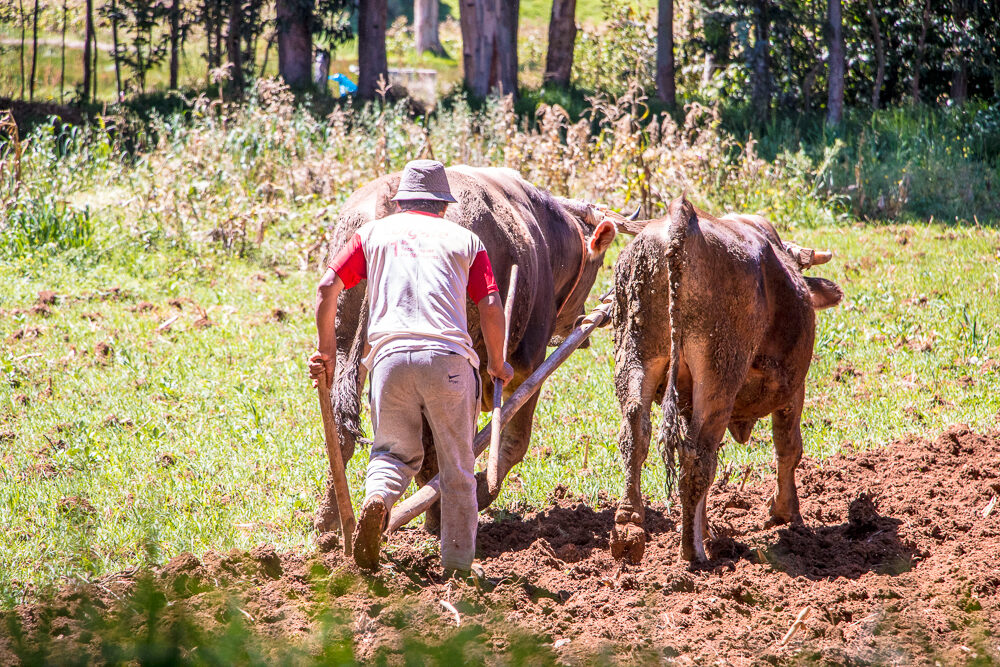
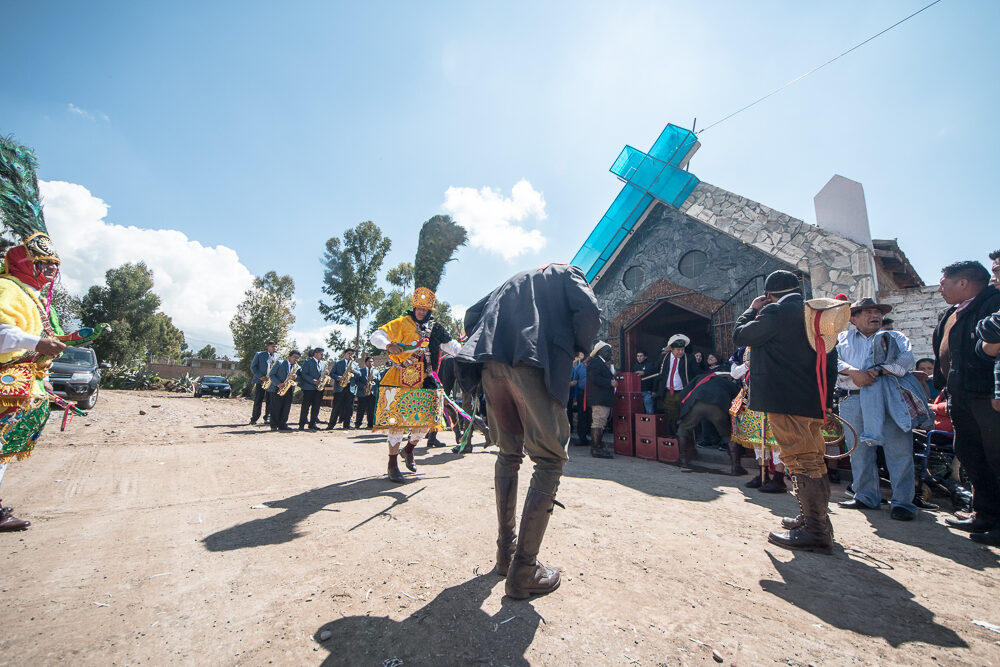
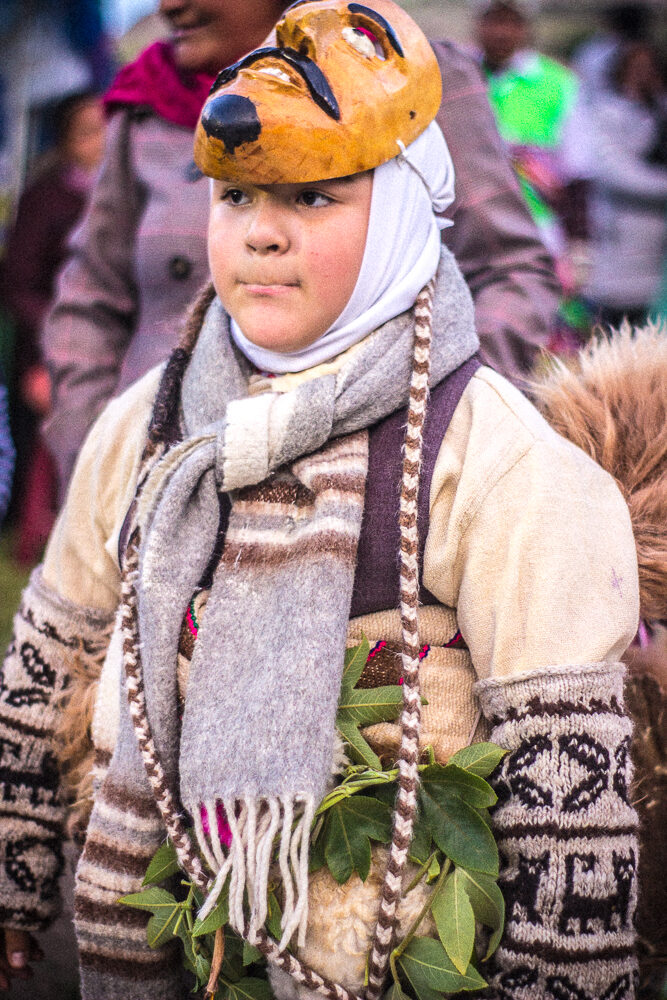
Masked child dancer, JaujaTraditional orchestra with harp and saxophones in JaujaMasked dancer during the festivalSowing in the valley
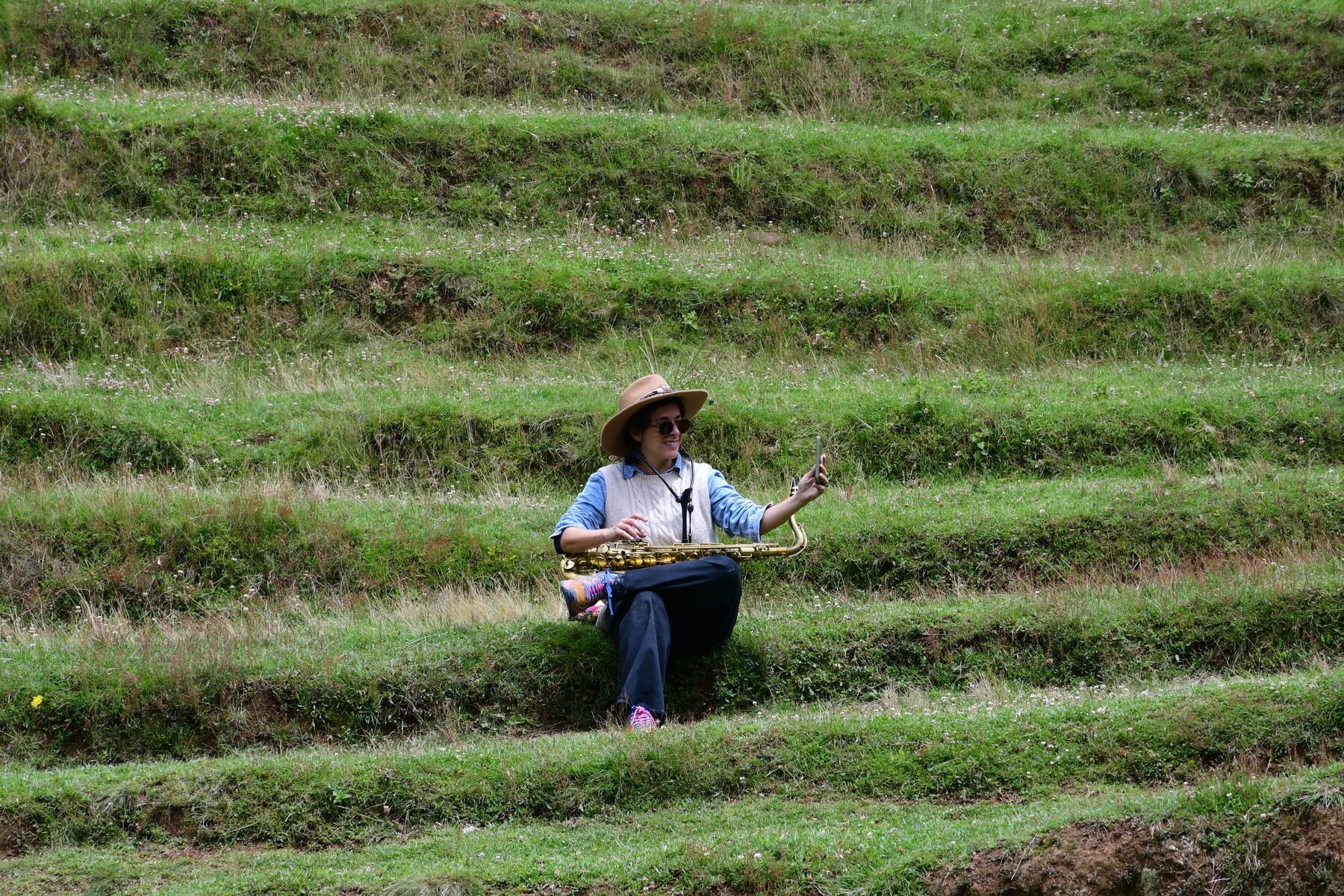
Susana Baca, her mentor since 2008With Jeff Coffin, Arón and Abiud Mucha, recording “Palabras urgentes”Saxophonists in the streets of JaujaDance in front of the chapelCarolina Araoz with her saxophone on the terraces
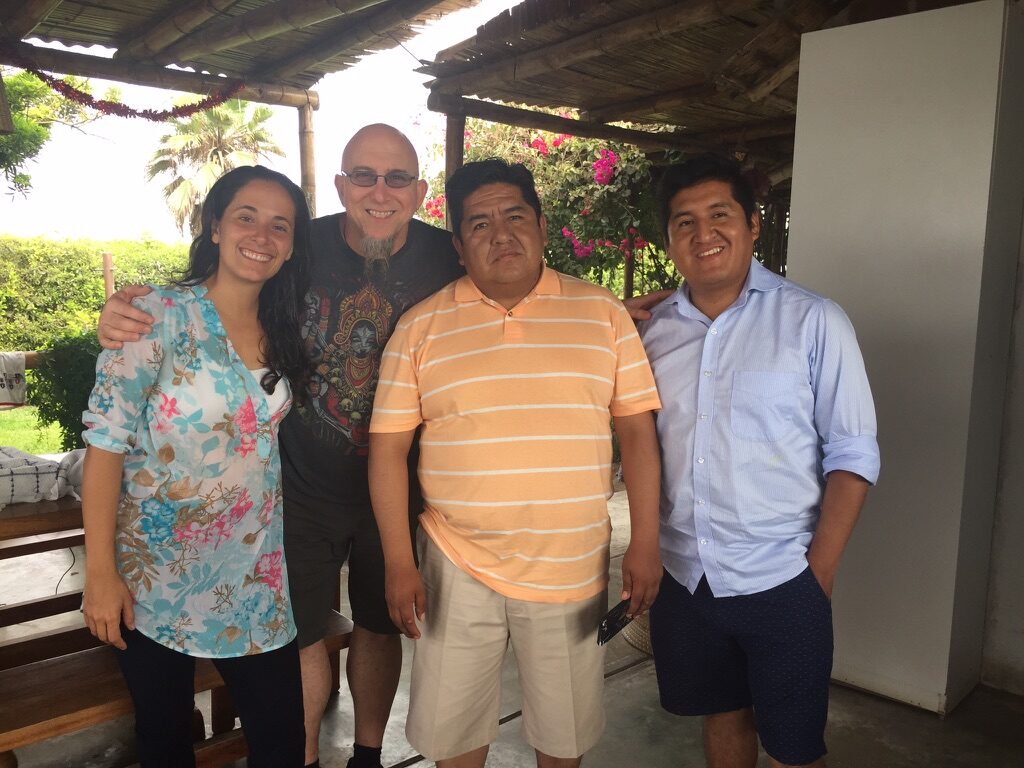
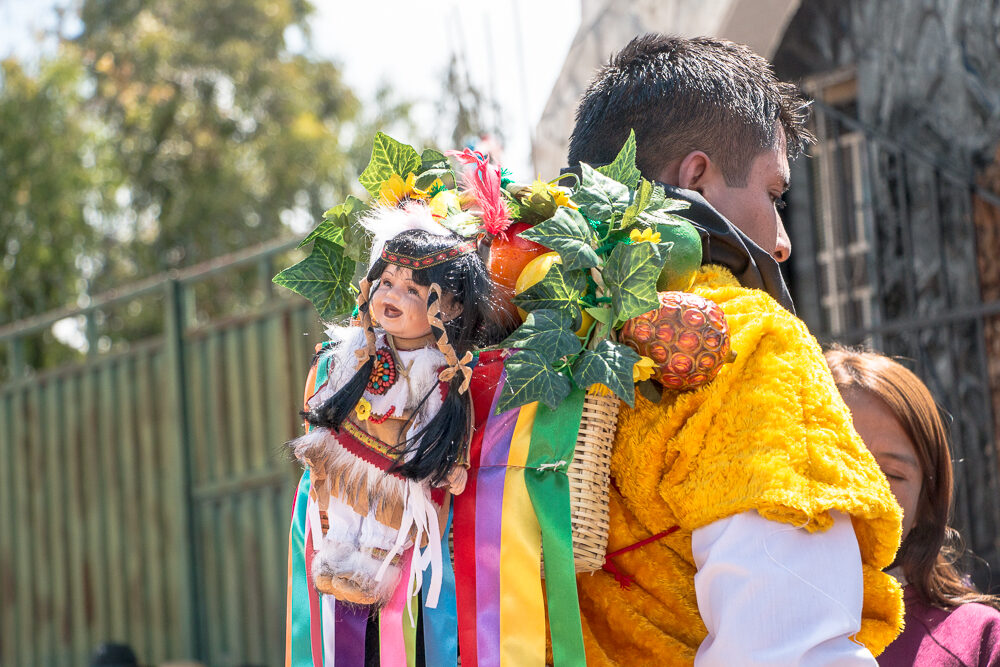
With Leo Casas, her Quechua teacherAfter a rehearsal with Susana Baca's bandDancer with colourful offeringsWith maestros Migdol and Arón Mucha, Jauja 2018

Tap any image to see it in full.

Listen

Two more ways into this journey.

Gloria Tunantera

A piece born of the Tunantada and of the people who live and hand down this celebration in the Mantaro Valley. The saxophones call and answer, multiply, and rise together into one great collective voice.

Listen to Gloria Tunantera →

Paca

Written by the still waters of Paca lagoon. Tenor saxophone, alto saxophone and bass clarinet — all played and recorded by Carolina — meet like different voices of a single landscape.

Listen to Paca →

Watch and listen to the journey

Different ways of approaching the music of Peru.

Playing with others, carrying a tradition somewhere new, and discovering what no score can quite explain.

Junín · with Casey Driessen

Huayligía de Parco

Carolina plays the Huayligía de Parco with the American folk fiddler Casey Driessen — two very different paths meeting in a single piece, with curiosity, respect and sheer joy.

The Huayligía of Jauja and Tarma is a dance of devotion to the Christ Child, traditionally performed by troupes of shepherdesses, with harp and flute at its heart.

Berklee · Valencia

La Jija at Berklee

At Berklee, the piece seemed simple at first. Playing it was another story.

La Jija is a ceremonial dance from Jauja, long tied to the first days of the wheat and barley harvest, and recognised as part of Peru's National Cultural Heritage in 2012. Its shape can be written down, but its spirit lives beyond the notes: the pulse, the accents and the phrasing asked the musicians to think in an entirely different way.

“Puentes” · with Javier Lazo

With Javier Lazo

Carolina and Javier Lazo share a musical friendship built on listening. This video captures something that runs right through her career: stepping into another artist's world, talking music, and finding together a way of telling that belongs to them both.

Documentary · In development

The saxophone of the Mantaro Valley.

A story that began with listening.

Where it all began: a short piece on how the saxophone found its way to the Mantaro Valley. It is the seed of the documentary Carolina is now preparing.

Carolina is preparing a documentary about the saxophone of the Mantaro Valley and the people who keep this tradition alive.

Through fiestas, conversations, landscapes and music, the film draws close to the ties between sound, memory, family and community. Carolina's own learning is the starting point, but the heart of the story belongs to those who live this music and pass it on.

It is not the story of someone arriving to discover or rescue a culture. It is the story of an artist who arrives with questions, makes friends, and learns to listen in a new way.

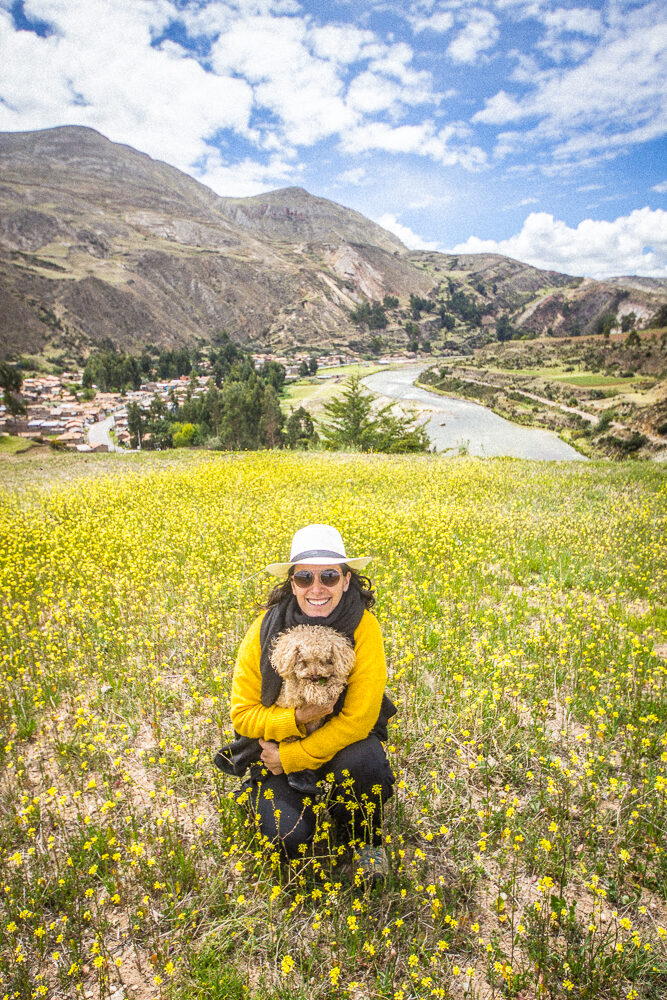
Carolina Araoz in a field of flowers in the valley
Project in development · Not yet available to book

An idea taking shape

Sharing a country through the people who make it unforgettable.

Carolina imagines intimate journeys for small groups, designed and led by her, that open a way into Peru through genuine encounters.

Not tours for ticking off destinations, nor a promise of “the real Peru”, but around a week of music, landscapes, meals, conversation and unhurried time with local hosts — the people and places woven into her own relationship with the country.

Each journey will be shaped with local partners, respecting what every host wishes to share and fairly honouring their time and knowledge.

The first journeys would also show whether the idea can stand on its own feet, and help fund a future Casa Corah in Urubamba: a place for meeting, making and living together, linked to the community now flourishing in Madrid.

Between Madrid and Urubamba

They are not two separate lives.
They are two ends of the same bridge.

Carolina hopes to build a life between Madrid and Urubamba: Madrid as the home of her work, her community and Casa Corah; Urubamba as a future place of learning, gathering and creation.

Message on WhatsApp